Anne of Green Gables Food Guide
Anne of Green Gables
Food Guide
A Complete List of Every Food Mentioned in Anne of Green Gables
When red-haired orphan Anne Shirley is sent to Green Gables, it is quite a surprise to the Cuthbert siblings, who planned to adopt a boy to help on their farm. Instead, they find themselves with a lively, imaginative girl whose enthusiasm for life frequently leads to both charm and chaos in Avonlea.
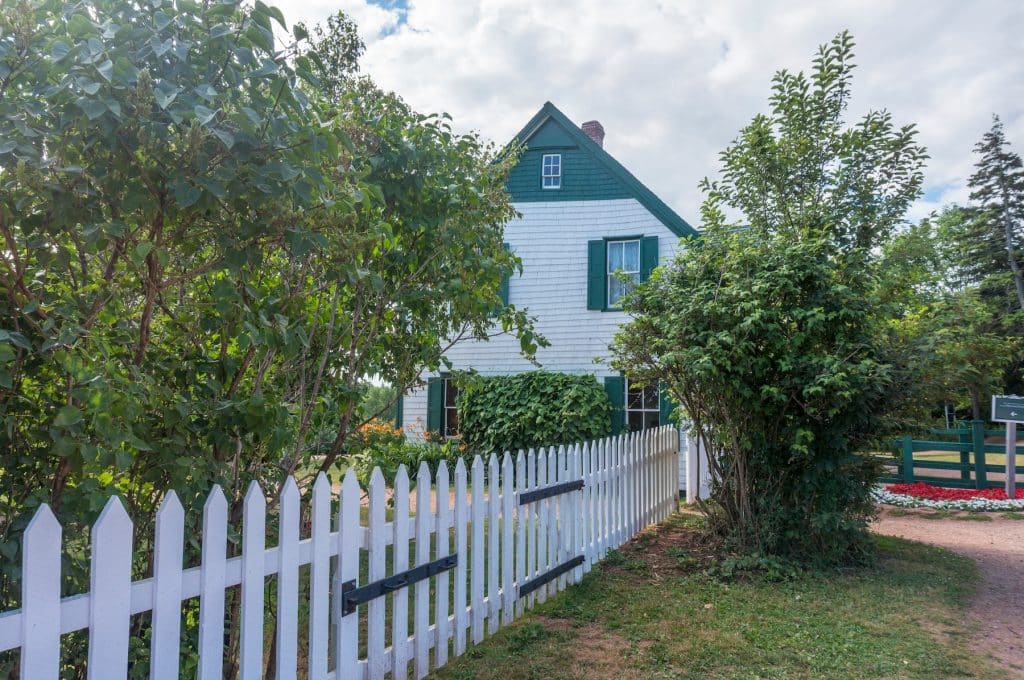
Whether you’re hosting a book club tea, planning a homeschool lesson or creating a nostalgic literary gathering, use this complete list of every food mentioned in Anne of Green Gables to step back to late 19th-century Prince Edward Island at Green Gables . From Marilla’s raspberry cordial to teatime fruitcakes and hearty farmhouse suppers, these recipes reflect the everyday world of Avonlea.
Anne of Green Gables, Scene by Scene
Raspberry Cordial & Other Culinary Catastrophes
Only Anne could find herself in such predicaments! Relive Anne’s memorable, if often disastrous, adventures into the kitchen, from the iconic raspberry cordial incident with her kindred spirit, Diana, to “liniment” cake served to the Minister’s wife.
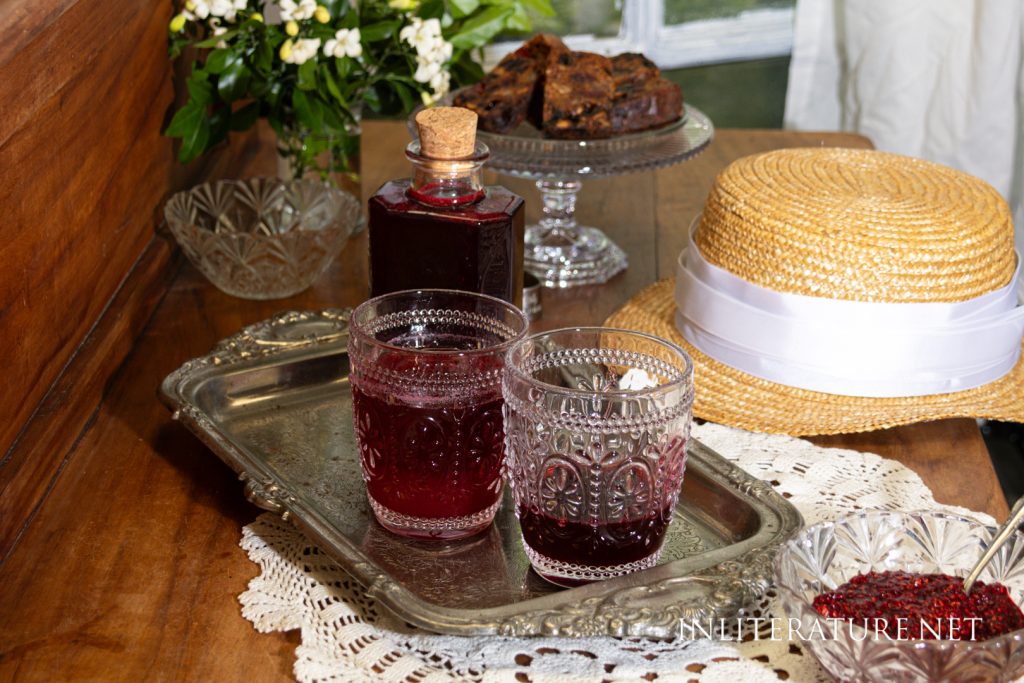
Tea with Diana (Raspberry Cordial)
Leave it to Anne Shirley to turn an ordinary tea into a full-blown disaster! The scene we’re most familiar with, Anne offers her bosom friend, Diana, a tumbler of Marilla’s currant wine instead of raspberry cordial. Their tea ends abruptly, but you can recreate the menu she served!
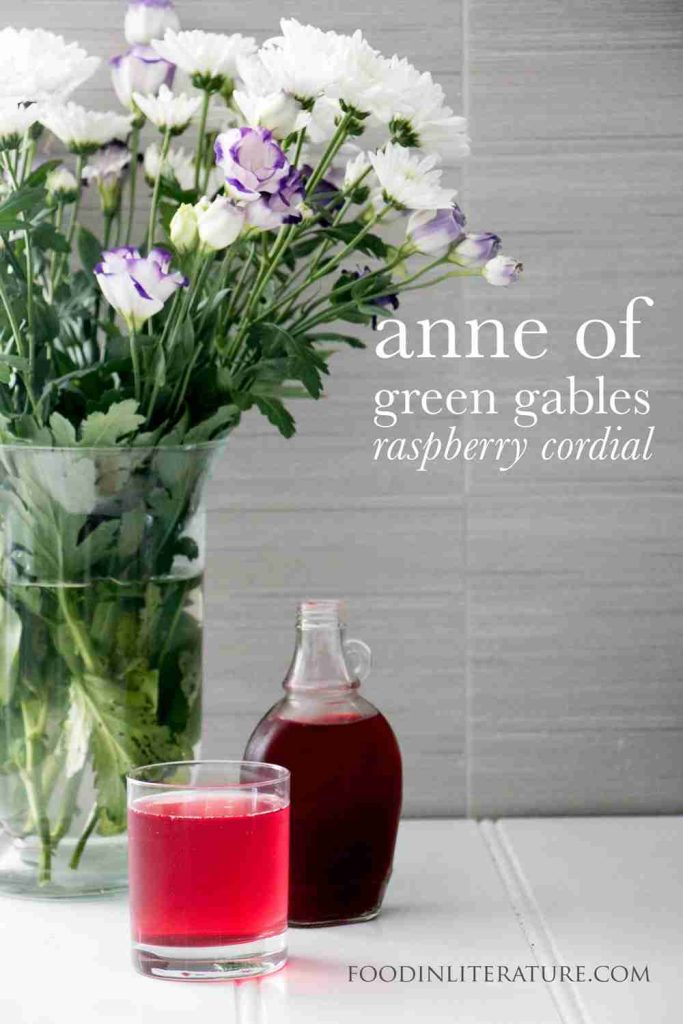
- Raspberry Cordial. Marilla intended this sweet, ruby-red drink for the girls’ tea. Traditionally vinegar-based, make it the old way with berries and sugar.
- Yellow Crock of Cherry Preserves. Stored in stoneware, these sugary preserves were a treat in 19th-century kitchens.
- Fruit Cake. This could have been Marilla’s dark, rich black fruitcake, often made for Christmas and kept stored for months, or a lighter, freshly baked version like the one served at the minister’s tea. Either way, fruitcake was a sign of good hospitality, served in neat slices to welcome guests.
- Cookies and Snaps. Likely ginger snaps, shortbread, or sugar cookies, plain but comforting bakes that were staples of Canadian kitchens and found in L. M. Montgomery’s own recipes.
- Red Sweetings Apples. Small, early-season dessert apples, prized for their sweetness and perfect for eating fresh in the orchard.
- Currant Wine. A potent homemade wine from red or black currants, best reserved for adults, but mistakenly served to Diana in Anne’s most famous mishap.
Serving tip
Serve with sturdy brown transferware tea set Marilla insists Anne use rather than the delicate rosebud tea set Anne requests.
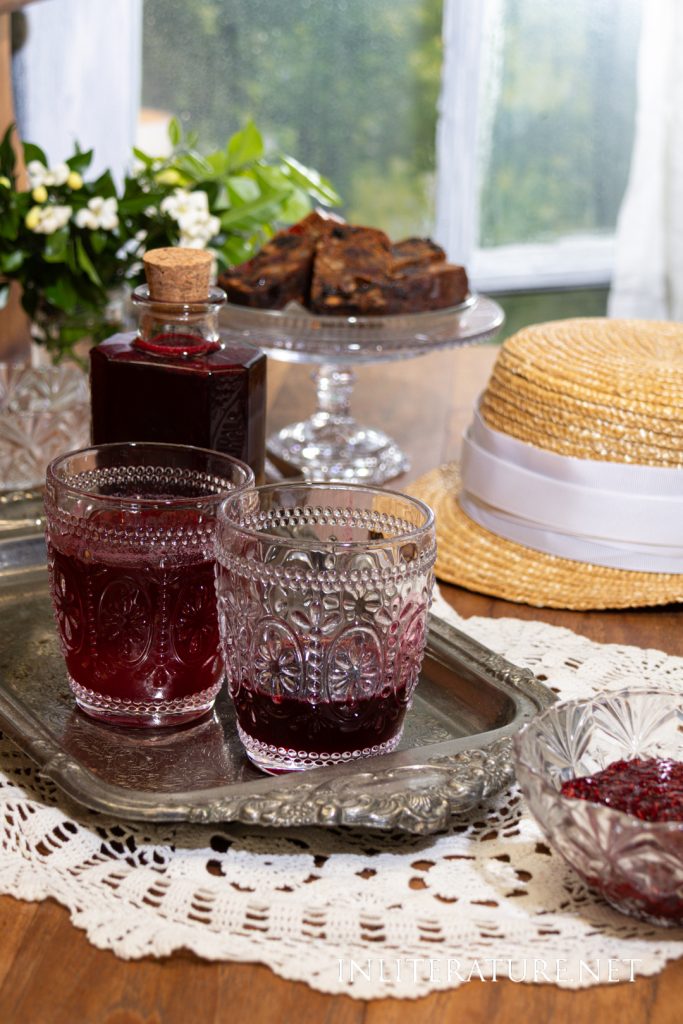
Anne of Green Gables Raspberry Cordial
Make Marilla’s raspberry cordial from Anne of Green Gables, a tart-sweet vinegar shrub popular in 19th-century Canada. Ideal for summer teas, literary parties, and book club menus.
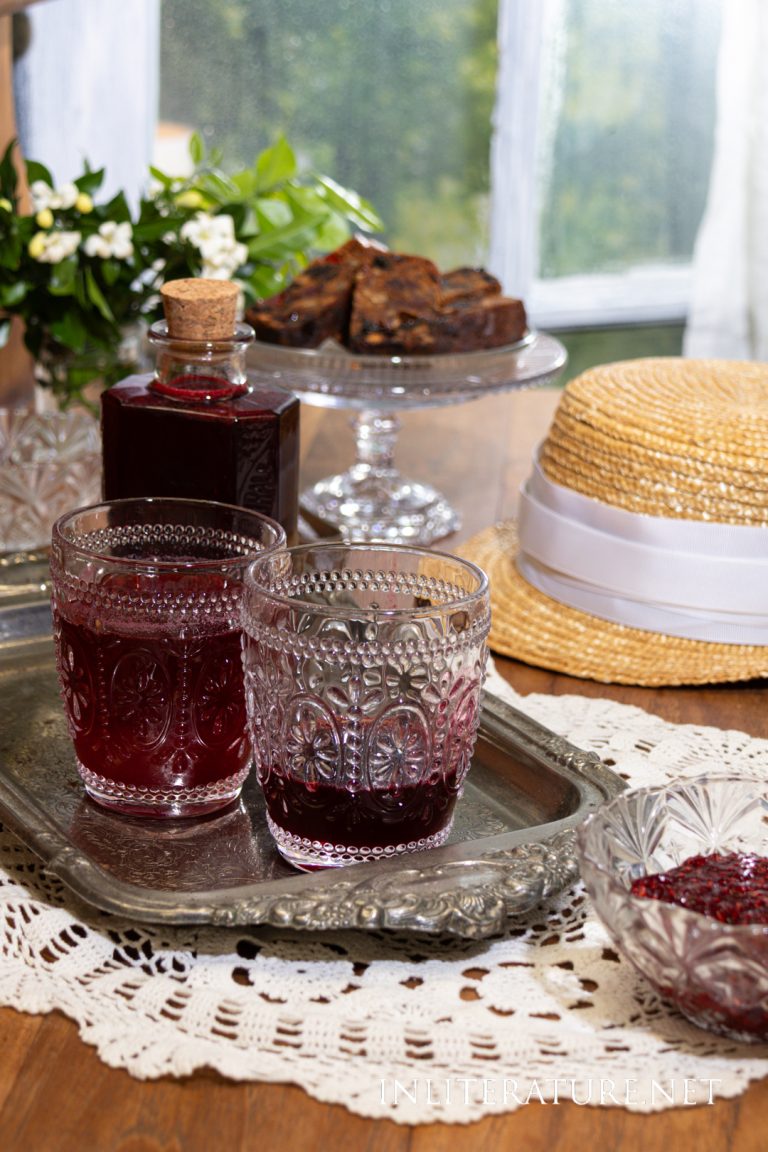
Mrs. Barry’s Tea
After Anne saves Diana’s sister from croup, Mrs. Barry’s heart softens after the raspberry cordial and currant wine mistake, and as a gesture of gratitude, she invites Anne for an elegant tea.
- Pound Cake. A dense, buttery cake traditionally made with a pound each of butter, sugar, eggs, and flour.
- Doughnuts. Deep-fried rings of sweet dough, likely homemade and rolled in sugar. In Anne’s time, these would have been more cake-like and fried in lard.
- Two Kinds of Preserves. Whole or chopped fruits cooked with sugar and stored in jars. These might have included strawberries, plums or raspberries.
The Minister’s Tea (The Liniment Cake Incident)
When Marilla invites the new minister and his wife to tea, a significant event that prompts two full days of kitchen preparations, Anne eagerly offers to bake a layer cake. But in a well-meaning mix-up, she uses anodyne liniment instead of vanilla, turning her beautiful creation into an inedible disaster and a deeply mortifying experience.
- The ‘Liniment’ Layer Cake. Anne’s contribution to the tea, which is supposed to be a vanilla layer cake.
- Jellied Chicken. A classic Victorian dish, made by simmering poultry until tender, then setting the meat in a savory gelatin made from its own broth. Served cold in neat slices, it was considered elegant fare for teas and special guests.
- Cold Tongue. Served chilled and sliced, this traditional dish is a nod to Victorian formality.
- Red & Yellow Jelly. Jewel-toned jellies, possibly clear, gelatin-based molded desserts made from fruit juice and sugar. Flavours could be currant, raspberry or lemon.
- Whipped Cream. Light and airy, it was likely served alongside the jellies or pies.
- Lemon Pie. Tangy, light in texture and bright in flavour, this pie brings a refreshing contrast to the heavier fare.
- Cherry Pie. Sweet and rich, this classic pie would have been a familiar favourite at any Avonlea gathering.
- Fruit Cake. Likely a lighter, less-aged version than Marilla’s black fruit cake, this would still have been rich with dried fruits and warm spices.
- Three Kinds of Cookies. Simple homemade varieties, possibly molasses, sugar or oat-based, all popular in Canadian kitchens.
- Pound Cake. A rich, buttery classic cake.
- Baking Powder Biscuits. Made fresh just before teatime by Marilla herself, making sure they were warm and tender.
- Marilla’s Famous Yellow Plum Preserves. Marilla’s prized preserve, brought out only for ministers.
- New and Old Bread. Both were prepared “in case the minister is dyspeptic”.
Serving tip: rosebud spray tea set
The kind of “special occasion” china Marilla reserved for ministers and the Aids– delicate rosebud-trimmed cups only brought down from the cupboard for Avonlea’s finest.
Other Mishaps in the Kitchen with Anne
While Anne’s heart is always in the right place, her flair for drama and daydreaming leads to a number of unforgettable (and occasionally inedible) disasters.
Mouse in Pudding Sauce. After a plum pudding dinner, a rich, spiced steamed dessert made with dried fruits and suet, Marilla asks Anne to cover the leftover pudding sauce (likely a combination of brown sugar, spices and water) and set it in the pantry. But lost in a dramatic imaginary scene, Anne forgets, only to discover a drowned mouse the next morning. The sweet sauce nearly makes it to the table for a stylish guest, until Anne blurts out the truth mid-meal, to Marilla’s mortification. Marilla, without saying a word, brings out strawberry preserves to serve the guests instead.
Skim Milk Incident. Anne absentmindedly empties a pan of skim milk into a basket of yarn balls.
Burned Pie. While deep in, yet another, imaginative reverie, Anne forgets a pie in the oven, leaving it “burned to a crisp”
Everyday Meals at Green Gables
These are the humble, often comforting dishes that reflect the rhythms of rural farm life in Avonlea.
- Crab-Apple Preserve. Served the night Anne arrives alongside cake and bread and butter, but uneaten in her “depths of despair.”
- Boiled Pork and Greens. Dinner served after Marilla forbids Anne from attending the Sunday-school picnic over a missing brooch incident. Anne refuses to eat, calling the meal “so unromantic when one is in affliction.”
- Brown Sugar. Matthew, too shy to ask for dress fabric for Anne, awkwardly buys twenty pounds of brown sugar instead. Marilla mentions she only uses it for the hired man’s porridge, a plain, hearty oat porridge prepared for a farm laborer or “hired man” like Jerry. It is a practical, inexpensive breakfast made more palatable with a spoonful of brown sugar, or her already-made black fruit cake, a well-aged, deeply spiced, and molasses-sweetened version, made in advance, often for Christmas or special guests.
- Broiled Chicken. Marilla prepares this for Anne upon her return from her visit to Miss Barry (Diana’s aunt), noting Anne would be hungry for “something real appetizing” and again after Anne returns from Queen’s.
- Russets. Apples that Anne fetches from the cellar for Matthew, just before Diana arrives with news of Minnie May’s croup.
- Blue Plum Preserve. Marilla offers this to Anne to go alongside her dinner, after Anne has a logn sleep after she saves Diana’s sister from croup.
- Hot Biscuits. Baking powder biscuits are similar to scones but savory, suitable for serving with butter, jam or alongside main meals. While Marilla makes these just before teatime for the minister’s visit, Anne makes these near the end of the book for Marilla and Mrs. Rachel, proving her improved cooking skills.
Sweet Treats & Schoolgirl Moments
From shared lunches at Avonlea school to treats imagined, gifted or burned, these treats reflect her friendships, rivalries and growing independence.
In The Schoolyard
- Raspberry Tarts. Diana brings three juicy raspberry tarts in her basket, but schoolyard rules mean they must be shared among ten girls, just enough for a single, tantalizing bite each.
- Three Blue Plums. Ruby Gillis secretly passes these to Anne during class, a small act of kindness.
- Strawberry Apple. A peace offering from Gilbert Blythe, left on Anne’s desk. Still holding a grudge, she refuses to accept it.
Homemade Mishaps & Sweet Experiments
- Taffy. Anne and Diana attempt to make taffy for the first time, but it burns while Anne daydreams, and is further ruined when the cat walks across it, though the mishap doesn’t spoil their fun.
- Forgotten Flour Cake. Anne becomes so swept up in a tragic fantasy story that she forgets the flour entirely while making a cake.
At Queen’s & Beyond
- Cake with “Avonlea Flavor”. Eaten by the girls at Queen’s.
- Ice Cream. Served at the Sunday-school picnic, it’s a food Anne has never tasted and describes as “scrumptious” and “sublime” after trying it. Ice cream is also eaten after a concert in Charlottetown and as a post-exam celebration with Ruby Gillis.
- Chocolate Caramel. A treasured memory, Anne recalls having one years ago.
- Strawberry Tart. Referenced in a story Mrs. Lynde tells, involving a young minister who once stole one from his aunt’s pantry.
- Chicken Salad. Jane Andrews declares that if she were rich, she’d eat it every day.
FAQ: Anne of Green Gables Recipes
What food did Anne Shirley serve to Diana in the raspberry cordial scene?
Anne meant to serve Marilla’s homemade raspberry cordial, but accidentally gave Diana currant wine. The tea included fruitcake, cookies, and cherry preserves.
Q: What dessert did Anne ruin with liniment oil?
Anne accidentally used anodyne liniment instead of vanilla in her layer cake for the minister’s tea, making it inedible.
What should I serve for an Anne of Green Gables tea party?
To recreate the iconic raspberry cordial scene, include raspberry cordial, currant wine for adults, fruitcake, cookies, cherry preserves and pound cake.
How can I use Anne of Green Gables recipes in a homeschool or classroom setting?
Recipes from Anne of Green Gables offer a fun, hands-on way to explore Canadian history, literature and food traditions. You can use raspberry cordial or crabapple preserve recipes to introduce historical and seasonal preservation. Baking powder biscuits are easy to make for many ages or skill levels, and introduces a way to talk about domestic life in the 19th century.
Is there much food in Anne of Green Gables?
Yes, food features throughout Anne of Green Gables. From teatime mishaps like the raspberry cordial incident to elaborate spreads served to ministers and friends, meals reveal character, build relationships and reflect everyday life in rural Prince Edward Island.
What food scenes are there in Anne of Green Gables?
Key food scenes include Anne serving Diana currant wine instead of raspberry cordial, the disastrous liniment cake served at a minister’s tea, and elegant feasts like Mrs. Barry’s reconciliation tea. There are also tender, everyday moments—hot biscuits from Marilla, russet apples from the cellar, and preserves from the pantry—that ground the story in the rhythms of farm life.
What style of food is in Anne of Green Gables?
The food is distinctly rural Canadian, late 19th-century fare– hearty, homegrown and preserved. Think fruit preserves, jellied meats, cold tongue, molasses-sweetened cakes, baking powder biscuits, crabapple jelly and raspberry cordials. These dishes reflect a self-sufficient farm kitchen, seasonal ingredients and preservation methods passed down through generations.
Sources and Further Reading
- Montgomery, Lucy Maud, Crawford, Elaine and Crawford, Kelly. Aunt Maud’s Recipe Book: From the Kitchen of L.M. Montgomery. Moulin Pub. 1996.
- “English Apples – Sweetings, DIVERSITY Website – Radio Drama, Plays.” n.d. Accessed September 8, 2025. https://suttonelms.org.uk/sweetings.html.
- Watson, Julie V. Favourite Recipes from Old Prince Edward Island Kitchens. Willowdale, Ont. : Hounslow Press. 1986.